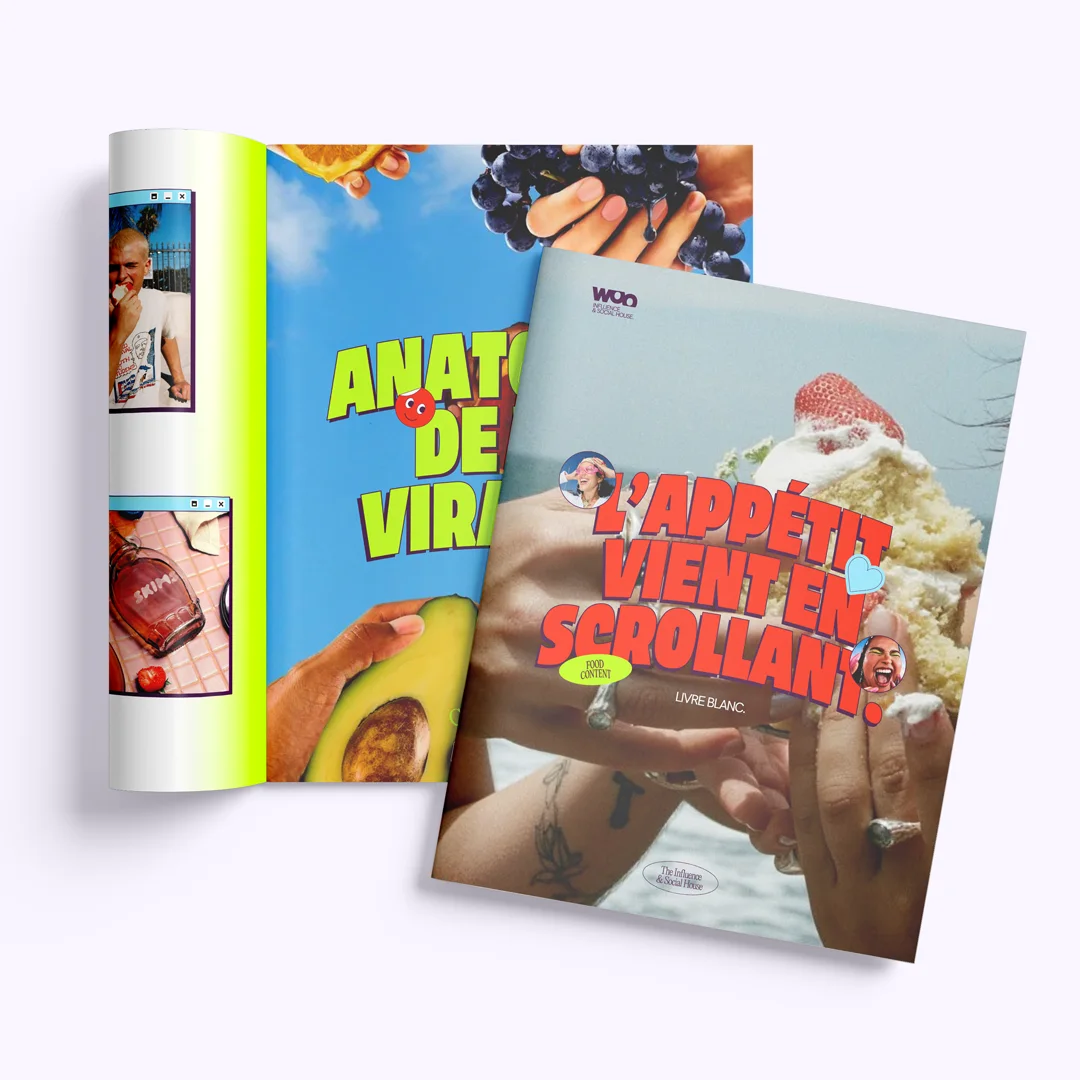

Did you know? In 2026, 58% of French people state that social media directly influences their diet. What was just a trend a few years ago has become a massive consumption reflex. But how can a simple scroll on a screen trigger an irresistible urge to cook or buy?
In our latest white paper, "Appetite Comes with Scrolling", we explore this neurology of the click, through several findings:
1. The gourmet pixel paradox: eating with your eyes.
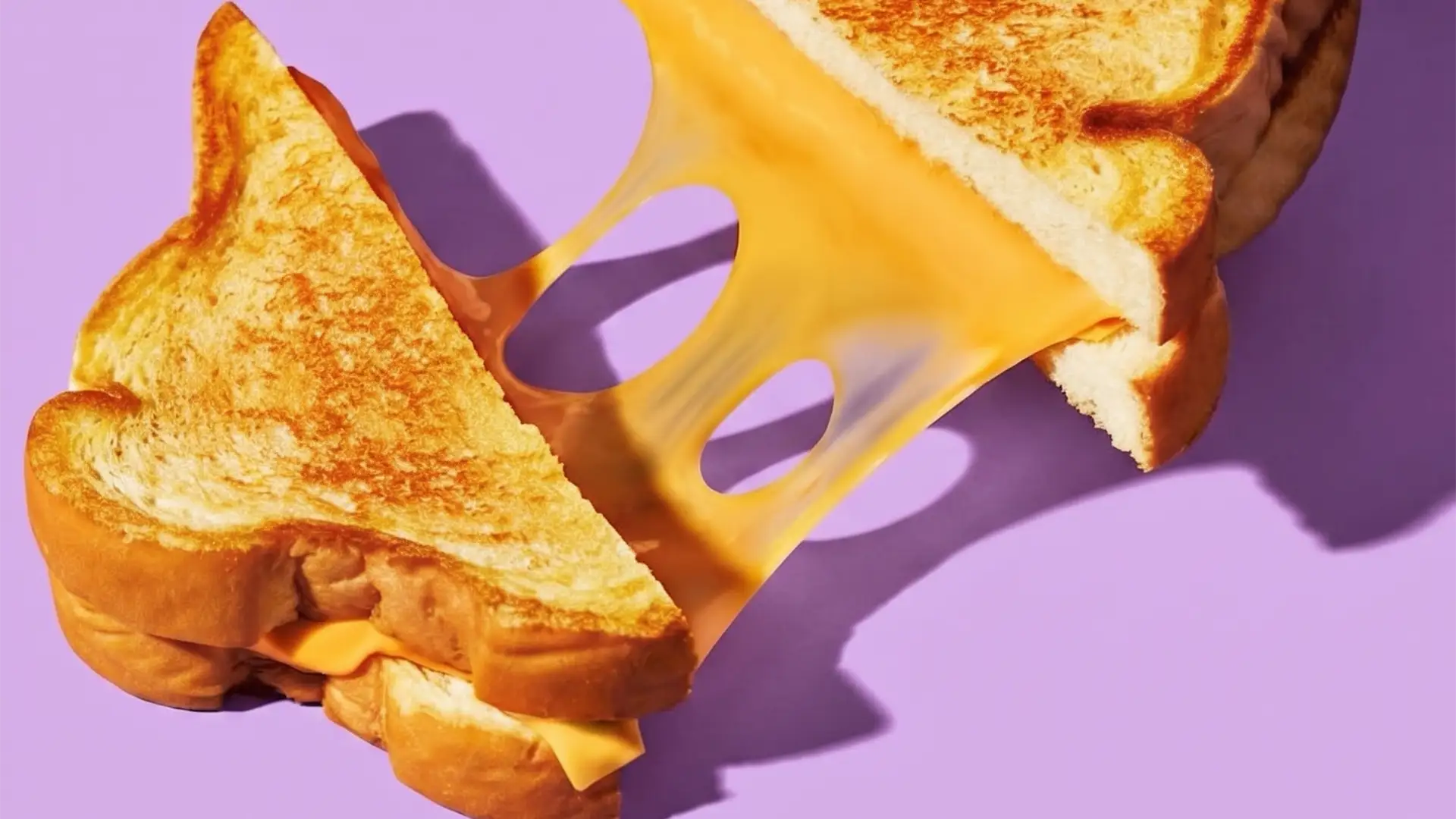
Eating engages all five senses. The phone only engages one. Yet, food desirability on social media has never been stronger. This is where the cephalic phase response comes in. Even without having the product in hand, the consumer's body begins to react physically (salivation, dopamine) under the effect of specific visual and auditory stimuli.
2. Anatomy of virality: what makes the algorithm "bite".
Food virality is not a stroke of luck. In 2026, the "perfect" aesthetic of photo studios no longer works. What the user is looking for is action.
- The power of mirror neurons: why is the "process shot" (showing the preparation) 3x more effective than a photo of the final dish?
- The 2026 hook: we analyzed the best-performing hooks of the year. One of them generated over 9.5 million views by playing on a simple psychological tension.
3. The era of food-preneurs: when the audience precedes the product launch.
The power dynamic has shifted. We no longer try to sell a product to an audience; we create a product for an already existing community. Creators like Mister V or Andie Ella have proven that the Creator Economy is the new engine of food retail.
But beware: the court of the internet is merciless. A poor alignment between the brand, the creator, and nutritional values can shatter a reputation in a matter of hours.
4. Food SEO: Is TikTok the new Google?
This is the figure that has search engines trembling: 46% of French people now use social media as their primary culinary search engine. We no longer "Google" a dinner idea; we "TikTok" a recipe. This shift radically changes how you must index your products and content to appear at the right moment in the purchasing journey.
Learn how to turn scrolling into a purchase.
Food content should no longer be treated as a product category, but as a language on social platforms.
To help brands navigate this era of sensory saturation, we have compiled all our analyses, key figures, and operational strategies in our white paper: "Appetite Comes with Scrolling".
Inside, you will discover:
- A comparative table of food searches by platform.
- A complete breakdown of the "Madeleine de Proust 2.0".
- How to reconcile "Food Porn" and health requirements without losing virality.
- Our recommendations for producing "social native" content at a lower cost.
